What Is Snagging in Construction — and Why It Matters for Your New Property
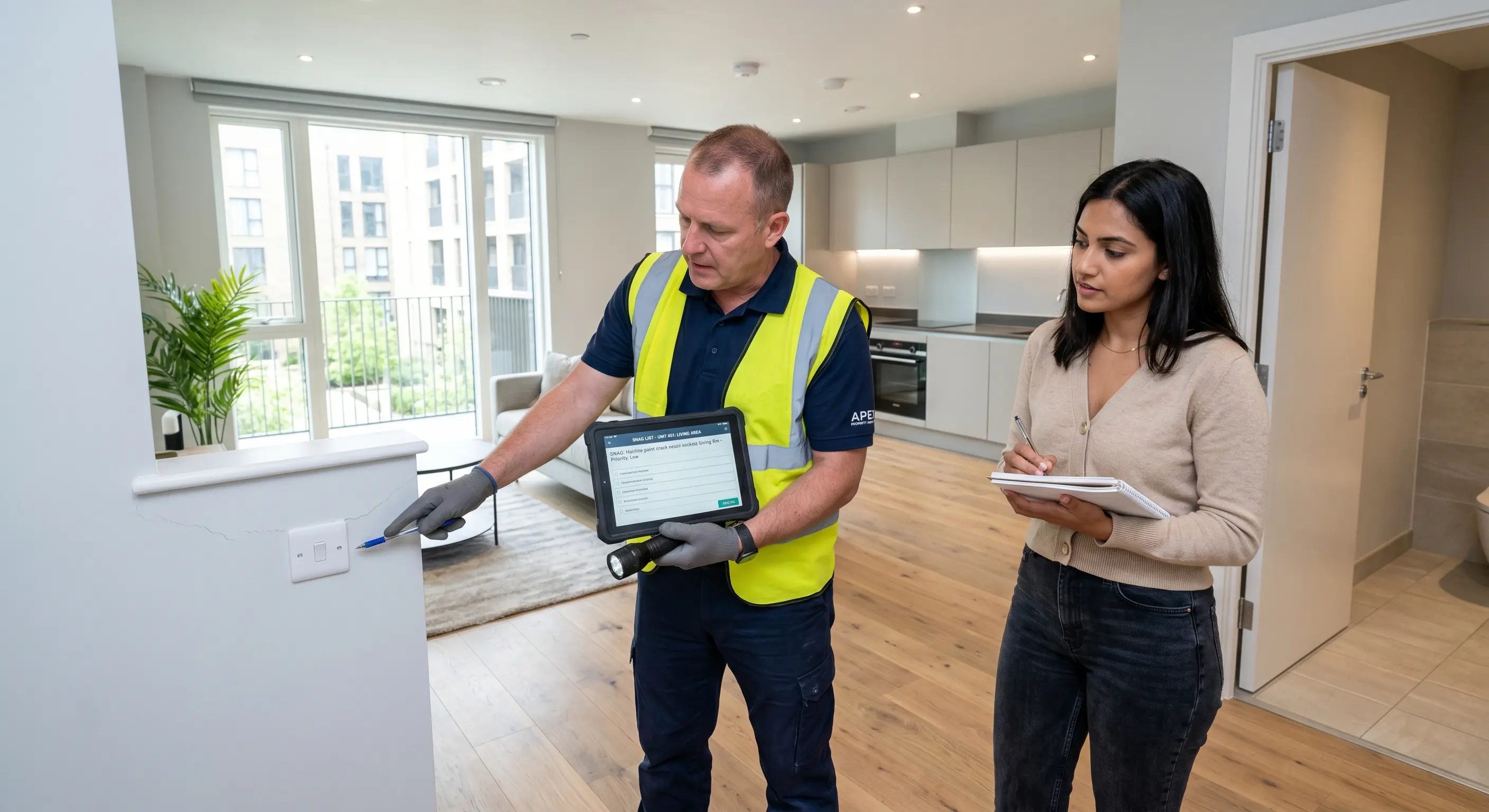
You are days away from receiving the keys to your new property. The structure is up, the interiors are finished, and the developer has declared it ready for handover. But before you sign anything, there is one critical step most buyers skip — and it is the one that could save you thousands of dirhams. That step is snagging.
What Does "Snagging" Mean?
Snagging is the process of systematically inspecting a newly built or recently renovated property to identify any defects, incomplete work, or substandard finishes before you take legal ownership. Think of it as a final quality audit — your last opportunity to hold the developer or contractor accountable before the keys change hands.
The term originated in the UK construction industry, but the practice is now standard across major real estate markets, including Dubai and the wider UAE, where off-plan purchases make thorough pre-handover inspections especially important. A snag can be anything from a hairline crack in a wall tile to a faulty light switch, an ill-fitting door, or a bathroom silicone seal that has not been applied properly. Individually, each issue may seem minor. Collectively, they represent unfinished or defective work that you are entitled to have corrected at the developer's expense.
What a Snagging Inspection Covers
A professional snagging inspection examines every accessible part of the property. Structural and surface finishes are checked first — wall and ceiling paint for drips, uneven coverage, missed patches; tiling for cracks, lippage and missing grout; flooring for scratches, gaps at skirting boards, and uneven joins between floor types; plasterwork for cracks, bubbling, or rough patches.
Joinery and fittings include doors and windows for alignment, sealing, locks, handles, and glazing quality; kitchen and wardrobe units for alignment, hinges, drawer runners, and worktop joins; skirting boards and architraves for gaps, mitre joints, and fixings.
Mechanical, electrical, and plumbing checks cover all sockets, switches, and lighting circuits tested for function; water pressure at all outlets and leak checks under sinks; AC units for cooling performance, drainage, and remote function; the hot water system and water heater settings; and doorbells, intercoms, and any smart home systems where fitted. Outdoor spaces and common areas — balcony waterproofing and drainage, external render or cladding, and parking surfaces — are also assessed where applicable.
The Snagging Process: Step by Step
First, schedule the inspection before the formal handover. In Dubai, RERA regulations support buyers' rights to inspect prior to completion. Bringing in an independent inspector at this stage gives you the most leverage. Conduct the walkthrough methodically — room by room, surface by surface — using good lighting and a camera to document each defect with a time-stamped photo.
Compile a written snag list with location, defect description, and a photo reference for each item. A clear, numbered list makes it easy for contractors to action items and for you to verify completion. Submit the list to the developer in writing within the handover period defined by your sale and purchase agreement, typically seven to fourteen days. Keep a copy — written records protect you if disputes arise later.
Allow time for remediation. Reputable developers will schedule contractors to address all snags, typically within two to six weeks depending on volume and complexity. Once the developer confirms works are complete, carry out a follow-up inspection against your original list. Only sign the final completion documents when every item has been resolved to your satisfaction.
Snagging for Off-Plan Properties in Dubai
Off-plan buyers in Dubai face a unique challenge: you have often waited one, two, or even three years for your property to be completed, and excitement can override caution at handover. Developers know this. That is why independent snagging matters most in this context.
Common issues specific to Dubai's off-plan market include finishing inconsistencies — verify your unit matches the SPA specification, not just the show apartment. AC and ventilation must be tested thoroughly in both cooling and fan modes given the climate. Waterproofing on balconies, wet rooms, and roof terraces must be properly applied — failures here lead to expensive remediation. Bathroom and kitchen wet areas need complete, consistent silicone and grouting. And a developer-prepared "punch list" is not a substitute for your own independent inspection.
Why Hire a Professional Snagging Inspector?
While any diligent buyer can conduct a basic walkthrough, a trained snagging inspector will identify issues that untrained eyes miss — particularly in MEP systems, structural elements, and waterproofing. They use thermal imaging, moisture meters, and socket testers to surface defects that look fine on the surface.
A professional report also carries more weight with developers. A detailed, professional-format snag list is harder to dismiss than handwritten notes. The cost of an inspection is modest relative to the value of the property — and relative to the cost of fixing defects yourself after handover.
Your Rights as a Buyer
In Dubai, the Real Estate Regulatory Agency (RERA) and the Dubai Land Department (DLD) provide a framework for protecting buyers' rights in new developments. Developers are obligated to hand over properties in a condition that matches the agreed specifications. Defects identified during the handover period must be remedied at the developer's cost.
After you take possession, a structural defect warranty period applies under UAE Civil Code — typically ten years for major structural elements and one year for other defects. However, pursuing warranty claims post-handover is significantly more time-consuming than resolving snags before completion. Getting it right at handover is always the better path.
Conclusion: Snagging is not a bureaucratic formality — it is a practical safeguard for one of the largest financial commitments you will ever make. A thorough inspection before handover shifts the cost of defect rectification to where it belongs: the developer, not you. Take your time, bring a professional, document everything, and do not sign off until you are satisfied. Your new property should be handed over in the condition you paid for.
Need a Professional Snagging Inspection?
Buying a new property in the UAE? Trust Prime Project Partners for a thorough, independent snagging inspection that protects your investment. Fill out our contact form today to book.
Book a Consultation→