Snagging for Rental Properties in Dubai: What Landlords and Tenants Need to Know
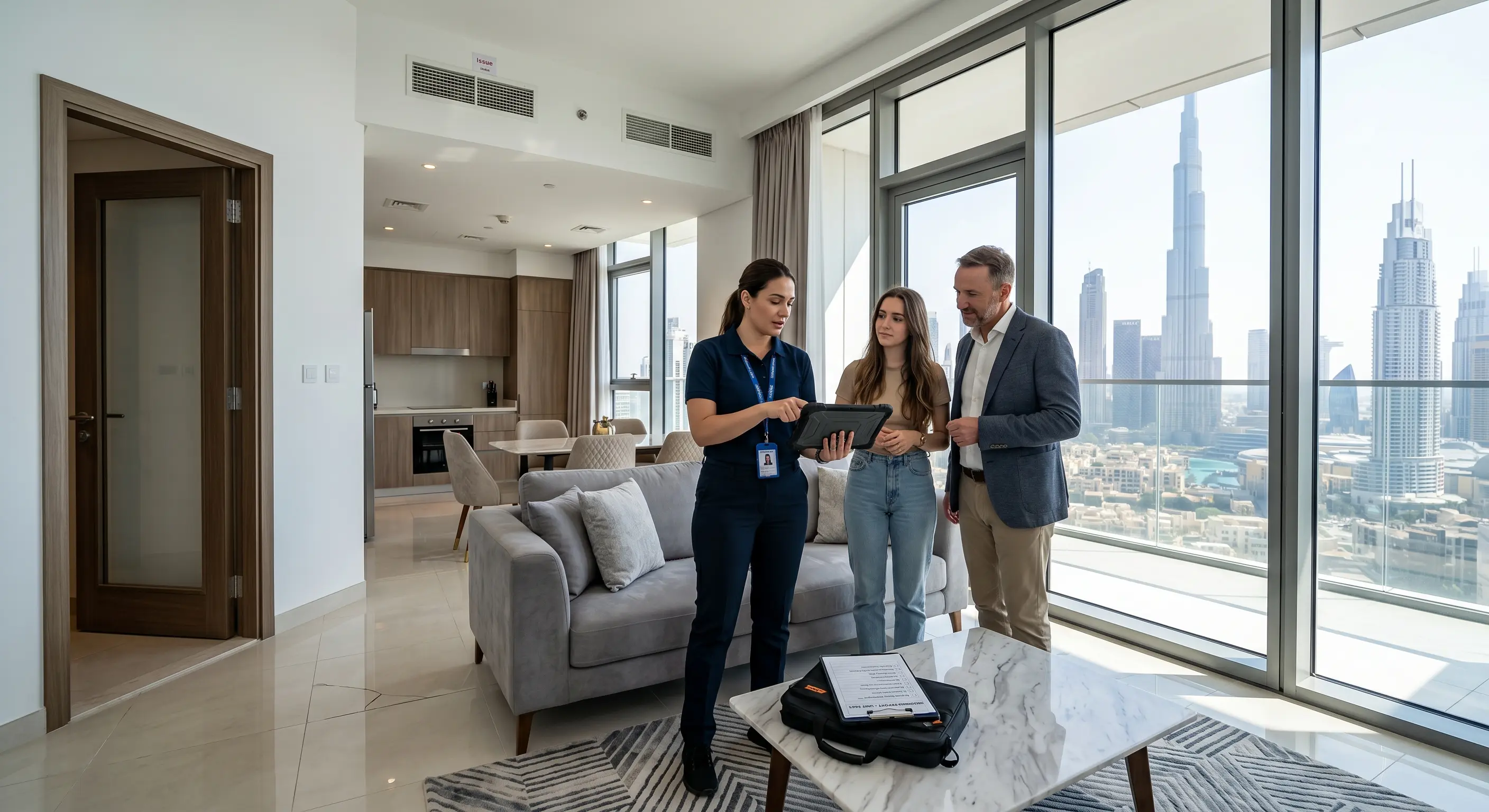
Dubai's rental market moves quickly, and in the rush to finalise leases it is easy for existing defects, undisclosed wear, and unresolved maintenance issues to pass unnoticed — only to become a source of conflict later. A professional pre-tenancy snagging inspection addresses this directly, protecting both landlords and tenants from disputes at checkout.
Why Rental Properties in Dubai Need Snagging
High turnover is a defining feature of Dubai's rental market. Properties frequently pass from one tenant to the next with minimal time between leases. In that compressed handover period, defects in ceilings, pipework, electrical circuits, and AC systems often go unchecked. Issues that seem insignificant during a brief viewing can become significant maintenance problems within weeks of occupation.
A snagging inspection creates a clear, documented baseline. Every defect — however minor — is recorded at the point of handover. This transparency benefits both parties from day one, removing ambiguity about what was present before the tenancy began and what may have occurred during it.
How Snagging Benefits Landlords
For a landlord, a pre-tenancy snagging report functions as objective evidence of the property's condition before handover. If a tenant later causes damage and disputes arise at checkout, that report provides a factual comparison point that removes guesswork and supports a fair resolution.
Beyond dispute protection, snagging helps landlords maintain their properties proactively. A slow leak under a vanity unit, a loose electrical connection behind a panel, or a marginally underperforming AC compressor identified at inspection can be resolved before they escalate into emergency callouts or costly structural repairs. Properties that are well-maintained and properly documented are also more attractive to quality tenants and command stronger rental values over time.
How Snagging Protects Tenants
Tenants frequently assume a rental property is in full working order when they collect their keys. That assumption is often wrong. Low water pressure, inconsistent AC performance, appliances that function intermittently, doors that do not close flush, and tiles with hairline cracks are all common conditions in rental units that tenants discover only after moving in.
Without a documented record, tenants risk being held accountable for defects they did not cause. A pre-tenancy snagging report changes that dynamic entirely. It gives tenants a clear record of the property's condition on arrival, provides grounds to request repairs before occupation, and protects their deposit at the end of the lease by establishing what was and was not their responsibility.
What a Rental Snagging Inspection Covers
A thorough rental snagging inspection examines all key systems and finishes. Air conditioning is tested for cooling output, drainage, filter condition, and thermostat function. Plumbing is checked at every outlet for water pressure, leaks under sinks, drainage flow, and water heater operation. Every electrical socket, switch, lighting circuit, and the distribution board labelling are tested for safe function.
Doors and windows are inspected for alignment, lock function, seals, and glazing integrity. Flooring and tiling are checked for scratches, hollow spots, cracked or chipped tiles, and grout condition. Walls and ceilings are examined for paint condition, damp patches, cracks, and mould. All built-in appliances and fixtures — cabinet hinges, drawer runners, sanitary ware — are tested for operation and condition.
For furnished rentals, the report also covers the condition of furniture, soft furnishings, and any included equipment, creating a clear inventory record that both parties can reference at checkout.
The Inspection Report
At the end of the inspection, both parties receive a structured digital report documenting every identified issue with its location, a description of the defect, and photographic evidence. This report serves as the agreed record of the property's condition at the start of the tenancy.
That same report becomes the reference point at checkout. Comparing the entry and exit reports allows landlords and tenants to assess fairly what changed during the tenancy, which items require deductions from the deposit, and which were pre-existing conditions the tenant is not responsible for.
Is Snagging Worth It on Older Rentals?
Yes — in fact, it is often more important for older units. Properties that have housed multiple tenants accumulate wear that is not always addressed between leases. A snagging inspection documents the current state of the property accurately, regardless of its age, giving both parties a fair and factual starting point.
Who Should Pay for the Inspection?
This is typically agreed between landlord and tenant and varies by arrangement. Landlords who commission pre-tenancy inspections as standard practice often absorb the cost as part of property management. Tenants who want independent verification may choose to commission their own. In some cases, the cost is shared. The inspection fee is modest relative to the value of the protection it provides either party.
Conclusion: In a fast-moving rental market, clarity at the start of a tenancy is one of the most effective ways to prevent disputes at the end of one. Snagging inspections give landlords documented protection for their assets and give tenants a fair record of the condition they inherited. For both parties, the process takes a few hours and delivers months — sometimes years — of certainty.
Protect Your Rental Tenancy
Whether you are leasing your property or preparing to move in, trust Prime Project Partners for a pre-tenancy snagging inspection that protects both sides. Fill out our contact form today.
Book a Consultation→